The country of Georgia will always be the runner-up to the US state of Georgia in terms of name recognition. The government has made attempts at changing the country’s “international” name, with limited success. So far only Lithuania, another ex-Soviet Bloc country, refers to Georgia as Sakartvelo (the word used by Georgians)
This small country in the Caucasus region of Eurasia is not particularly well known. The fact that most people can’t recognize it comes down to two reasons: its name, which it shares with the Southern US state, and its location in a hotbed of border disputes, land grabs, and ethnic tension.
Kartvelians are people from the land of Sakartvelo. In an ideal world, we’d all be using these terms. It would help to avoid confusion and honour the requests of the people.
Another word that appears in maps and literature and has links to Georgia is Iberia. Most people would this word as the name of Spain’s national airline and as a synonym for the Iberian Peninsula, which includes the Southwestern countries of Spain and Portugal in Europe. But one interesting fact is that the Kingdom of Kartli (Georgia) was known as Iberia (in Latin and Greek) from around 300 BC to 580 AD. Some businesses use the term in their marketing. For example, the Radisson Blu hotel in central Tbilisi is called the Iveria.
Georgian tourism is growing, and the country is becoming more and more accessible to Europeans and Americans. However, the rather inconvenient flight schedules are a bit of a buzz killer. Arriving at 3 am after a potentially long stopover in Istanbul doesn’t set you up for a day of touristic activities. Most flights to Tbilisi make their connection in Istanbul, the world’s busiest hub, and the Turkish airport seems to set the rules of play: flights in and out of Georgia are scheduled to suit Istanbul’s flight times. This means you should plan for a very early morning arrival or departure.
In the event of a daily (which I’ve had the misfortune to experience), you can expect to spend the night in Istanbul. Fortunately, the new Istanbul terminal is a big step up from the old one. But still, who wants to spend a night in the duty-free section under bright lights?
Arriving at Tbilisi airport, I grabbed a cab to the city. I’m always acutely aware of how taxi drivers treat new arrivals. It’s unfortunate that the grumpiest people on earth are the ones we meet first once we leave the airport. First impressions can last. The driver’s opening line was “music?”. I hinted that I would not be partial to some random selection - I’d flown in from Ukraine and was still suffering shell-shock from the assault on my eardrums. Ukrainian pop makes me almost wish for less optimal hearing. The cab driver had another couple of words for me, “Pink Floyd?”.
Please, my man, play that music!
I later discovered that traditional Georgian music is quite beautiful. More about that later.
Taxi driver: “Where you from?”
Me: “Ireland.”
Driver: “Yes, my friend, I like Ireland. Very good organization, the ira. Ee-ra.”
Me: “The IRA? a good organization?”
Driver: Yes
It’s possible to get around Tbilisi by food. And taxis are cheap. There’s an underground/metro system, here, but taxi fares are incredibly cheap, so it’s hardly worth taking the slower public transport, except for the experience of riding through impressively deep subway tunnels. Bolt, the most popular taxi app in the city, works just like Uber: it locates drivers, directs them to you, and takes payments. It works like a charm, and cross-town trips typically cost a couple of dollars.
Keep in mind that estimates for driver arrival times are wildly understated by Bolt. Traffic can often move at a snail’s pace along the narrow, winding roads of the old city. Looking at Google Maps, you might consider walking. But in some parts of Tbilisi, it’s so hilly that walking would not be much quicker than the slow-driving taxi. The Tbilisi underground was built in 1966 using Soviet styling. It works well but can take you longer to get down to the actual tram and back up again than it might to just walk the distance.
Tbilisi’s traffic is not actually as bad as reports make it out to be. However, air pollution from vehicle exhausts is a real problem. There are a lot of very old cars, buses, and trucks puking out smoke and invisible killer contaminants. These bangers puke out toxic diesel fumes all day, and I began to notice some ill effects after a few days.
A report from 2016 by the International Energy Agency found that Georgia was one of the worst countries in the world for air pollution. Another study found that only North Korea (a country not known for any shining examples of doing good for the world) beats Georgia in the crappy air index.
Despite this, many taxis are hybrid-engine Toyota Prius models. After talking with drivers, I came to the conclusion that the popularity of these eco-friendly cars is not due to some kind of concern for the environment. “They’re cheaper, much cheaper”, a driver told me.
Despite the rundown appearance of many buildings, the city feels clean (apart from the air at times). Some Tbilisi neighbourhoods look like they haven’t seen a lick of paint since the Soviets left, but locals have pride in their environment. It was the Soviets, with all their aesthetic genius, who designed the drab entrances and courtyards around which most of the 20th Century apartments in the city were built.
Political Hot Spot
Recent demonstrations in the streets (starting in 2019) against old enemy and former colonial masters, Russia, have brought Georgia back into the international spotlight. It’s unfortunate that the spotlight shines when there’s conflict. Bad press works for celebrities, but generally hurts countries in emerging destinations.
This ancient country sits in one of the hottest parts of the world politically.
Georgia is sandwiched between Russia to the north and Turkey, Armenia, and Azerbaijan to the south. The current geographical layout is a recent invention. The government of Georgia disputes borders with South Ossetia, a self-proclaimed country that is not recognized by the United Nations and most world states. There’s also Abkhazia, another breakaway state supported by Russia and the usual contrarians of Iran, and Venezuela, among others. Chechnya, a former Soviet state bordering Georgia, has spent decades in conflict with Russia. In the south, Georgia’s neighbors Azerbaijan and Armenia have been at loggerheads over a territorial dispute for 40 years, a dispute that in 2020 spiraled into armed conflict once again.
The Lonely Planet does not produce a guide for Georgia alone. That might be a good thing. However, LP has a mashup guide of the three Caucasus region countries: Georgia, Armenia, and Azerbaijan. The guide is also a little out of date, published in 2016 so if you plan to use it, know that things have changed a bit.
Georgia is still a bit out of the way for most people. Who knows how long it will stay like that? At least you can still visit before the masses of Europeans, Americans, and Chinese cram themselves into every corner. There’s a lot to see and plenty of places to wield a selfie stick.
The People & Culture of Georgia
As I tend to do in countries I am not familiar with, I asked the locals to name some famous Georgians. I didn’t recognize many of the names. I guess they’re famous in their own country. But a couple of names stand out. One in particular for all the wrong reasons.
Stalin, one of the world’s most prolific homicidal maniacs, was born in a little town called Gori in Western Georgia. Stalin was particularly brutal against his own people. Yet, you’ll find the odd painting and even statues of the man in this country. There’s even a museum in his honor in his hometown.
Another name frequently mentioned was Shota Rustaveli. It’s no doubt the man became famous. Anyone with a name like Shota Rustaveli is destined for fame. At the same time, most Georgian names sound, well, fabulous to my ears.
Rustaveli, after whom the main Street in the city of Tbilisi is named, was a Georgian poet. Born around 900 years ago, Rustaveli is still what you might call relevant. In fact, a lot of medieval things are still revered in this ancient country. The past, despite the painful episodes through history, never dies in Georgia. This is a people proud of its history, culture, and defiance in the face of invaders.
Then there’s the type of yodeling from Western Georgia known as Krimanchuli, which most people will probably find as pleasing as yodeling from anywhere. But it’s an important cultural tradition and has plenty of enthusiastic singers and listeners.
Georgian dance, especially when performed by men, resembles some kind of extreme sport. Think Capoeira mixed with Wing Chun and ballroom dancing. Knees and ankles of steel are required for some of these moves. Knowing how to dance this style probably comes in handy in street fights.
I have to say it, Georgian men like to manspread. Dudes on trains sit with legs spreadeagled and potbellies hanging over the belt on their faded blue jeans. As soon as men sit down in a public space (and I presume a private space) they assume the position. Nobody bats an eyelid. If this happened in California, a viral tweet, YouTube video, and witch hunt would ensue.
The Food
Georgian food is praised by pretty much every visitor to the country. I’ll be contrarian and mention by lack of enthusiasm for the local cuisine.
It’s clear that many people find the poster child dishes of Khachapuri and Kinkhali bordering on orgasmic (taste-wise). But the former is, well, cheesy bread and the latter is a big dumpling. Bigger than the varieties you’ll find in Asia, with about 1/10 of the taste. After scalding myself on the boiling hot liquid inside the cold, soggy dough of the Kinkhali a few times, I lost patience. Avoid the mushroom version unless you enjoy eating rubbery-textured, flavorless fungi encased in lava-hot rubbery dough.
Tomatoes are juicy, enormous, sweet, and full of flavor.
The plain flatbreads, sold everywhere in huge dinner plate portions, are surprisingly delicious. Eating your weight in refined flour won’t do you any favors so save some space for some of Georgia’s other foods. The smell of baked bread permeates the air in many parts of the old city and also in residential neighborhoods. It’s a comforting smell that probably makes every traveler relax.
Kharcho, a traditional Georgian beef, rice, and walnut soup, must satisfy in winter. Chicken livers on a hot plate are simple, cheap, and terrific. Pork ribs with onions and a sprinkling of pomegranate seeds, again on a hot plate, is just the kind of food that satisfies without bloating.
So that’s the food. (Letters of complaint to the editor below)
Check out Uncornered Market’s guide to Georgian Cuisine for a more enthusiastic analysis of the food.
If you’re Georgian and reading this, let me win back some good faith by mentioning that Georgian wine is outstanding. In fact, Georgian wine is some of the world’s best and has a fascinating history.
The huge vegetable market in the north of the city is a good place to stock up on cheap veg. But it’s also a place to people watch and shop like a local. The choice of vegetables and fruit didn’t exactly impress. 90% of the stalls sold the same thing: tomatoes, onions, lettuce, peppers, and apples. The economics of not standing out in a sea of sellers makes no sense to me. I visited a couple of times, picked up some veg, and then visited the modern supermarket in the centre of the city for some more exotic (probably imported) fruit and veg. The supermarket, by the way, sells prime cuts of beef at a price that will make carnivores and paleo fans cry with joy.
Tbilisi - Old World Elegance & Soviet Decadence
Tbilisi is one of the prettiest capital cities of the world. It’s a little run down in places and rough around the edges, even in the upmarket zones. But the leafy boulevards, gorgeous period residences and hotels, and impressive futuristic architecture dotted around help to make the city an endlessly fascinating place to get lost in.
Tbilisi is home to roughly 1.5 million people and somehow still avoids the suffocating embrace of overtourism. This isn’t Rome with its daily siege of camera-toting crowds or Prague where the old town feels like a theme park. In Tbilisi, you’ll find space to breathe. Locals aren’t jaded from a million selfies and the city hasn’t hollowed out its soul to make room for tourist dollars. There’s something raw and real here that cities further west sacrificed long ago. It’s still possible to walk cobbled streets without tripping over a Segway tour. And despite what your newsfeed might imply, it’s perfectly safe.
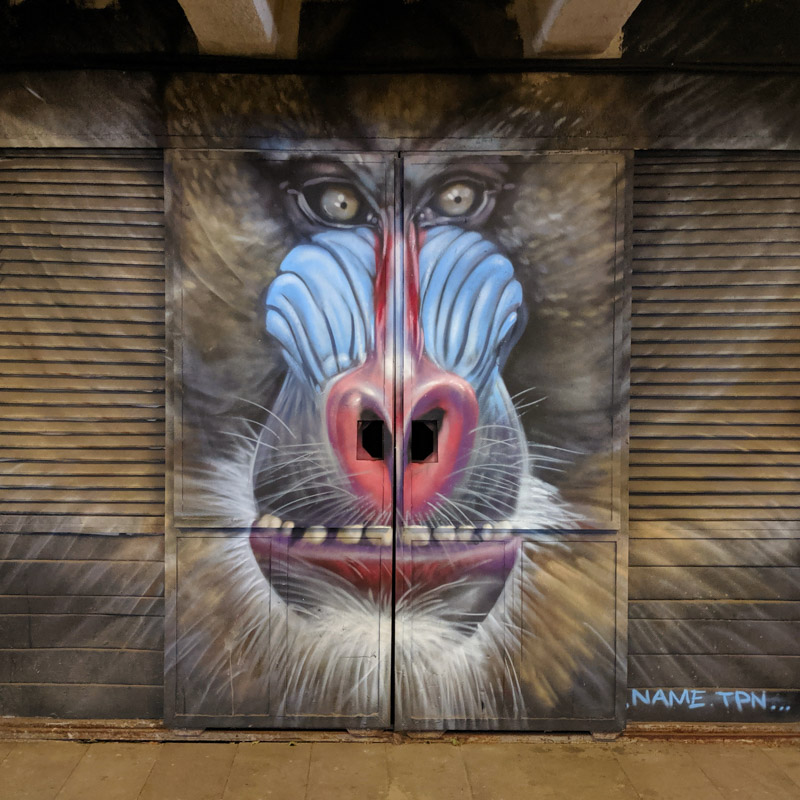

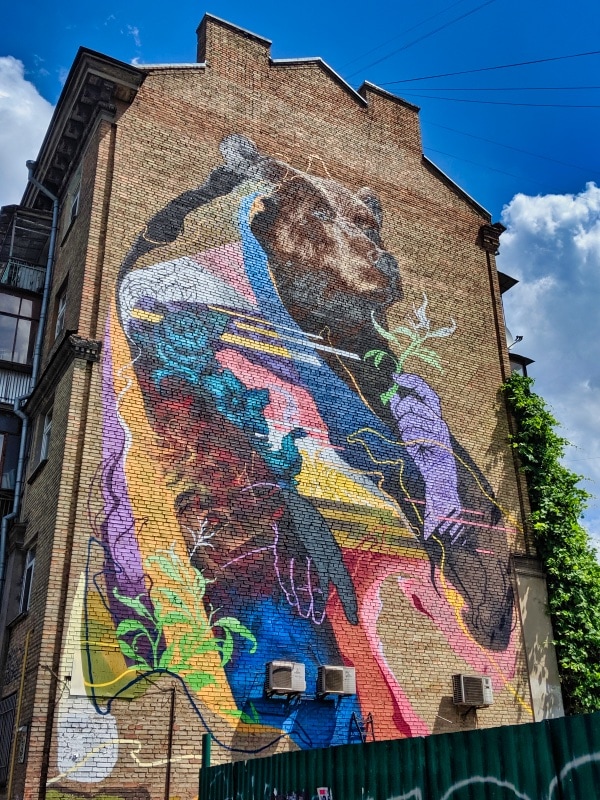
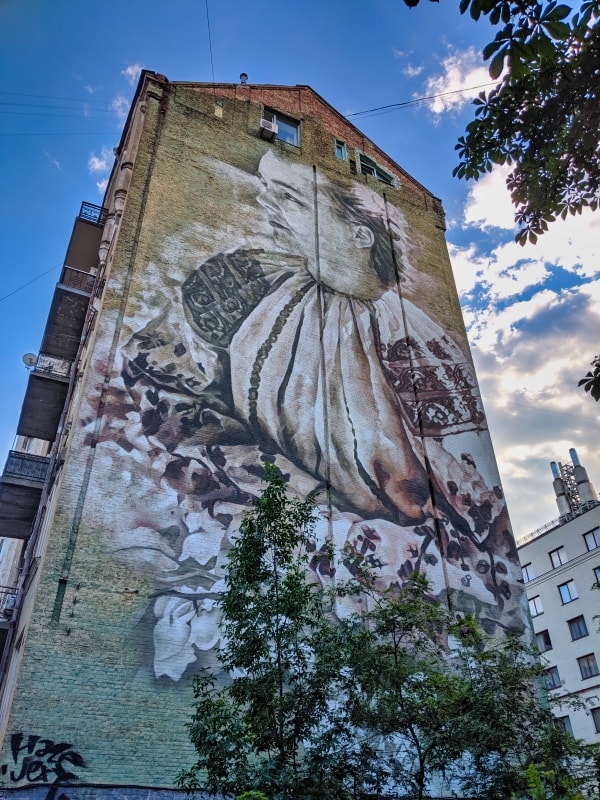
For most people, this picturesque city comes as a surprise. Once you’ve seen it from all angles - and believe me, thanks to the hills, there are many - you wonder why nobody else is talking about it. Photographers will find something interesting on every street and atop ever hill.
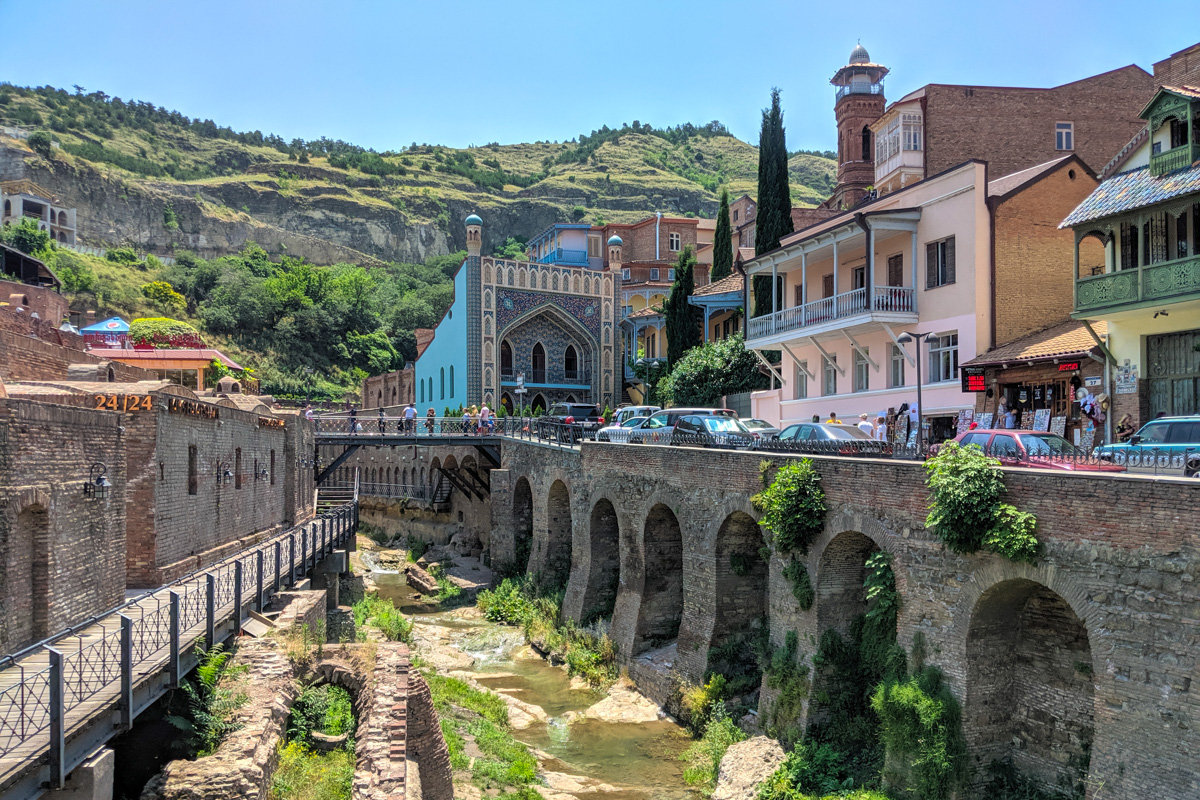
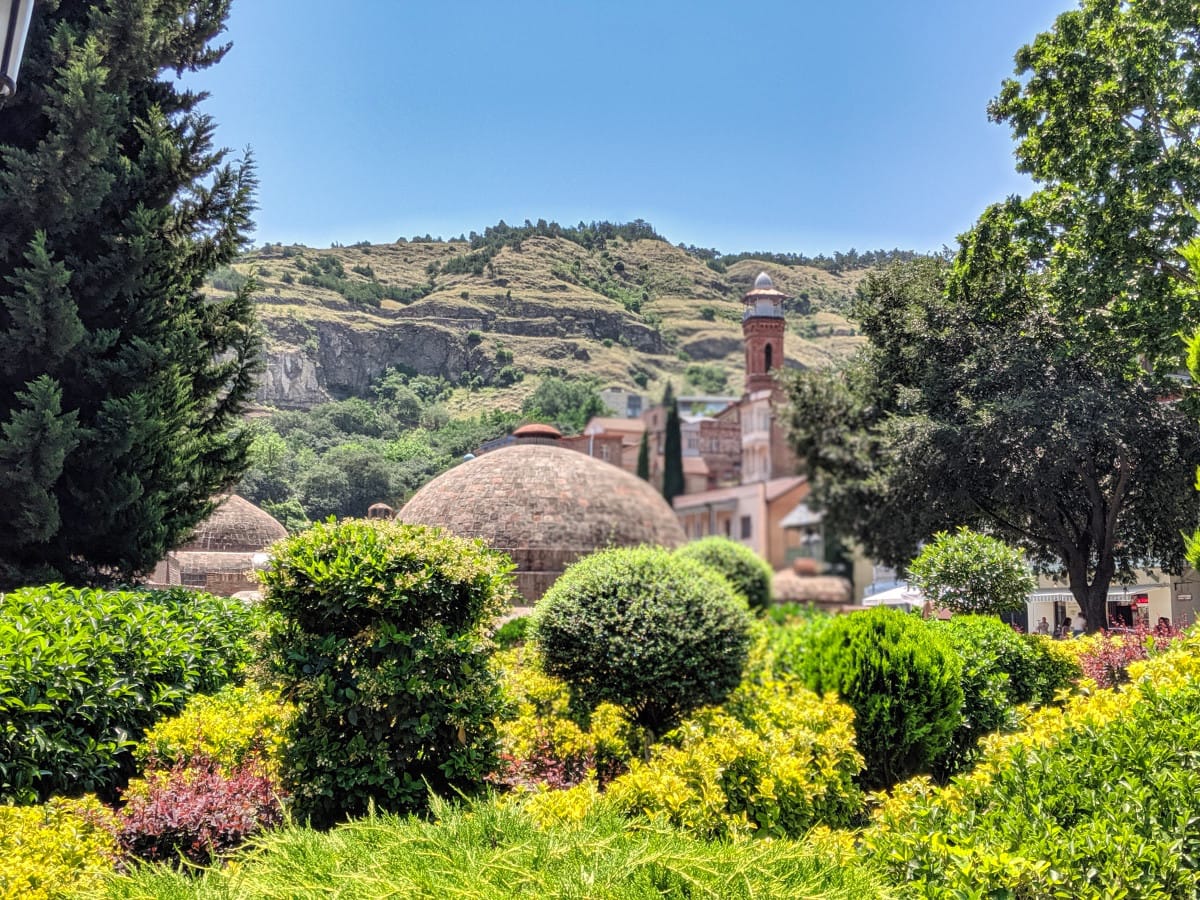
The charming old town of Tbilisi, featuring the Orbeliani sulphur baths at the end of the street, gives you a peek into the city’s rich spa culture. These baths, beautifully decorated with stunning mosaics, truly reflect Tbilisi’s deep-rooted tradition of relaxation and social gatherings.
Tbilisi is a growing destination for digital nomads and entrepreneurs thanks to visa and business formation policies (some of the most progressive in the world).
Despite the exhaust fumes and that sweltering summer heat that makes the pavement shimmer, Rustaveli Avenue is one of the best spots for a stroll in Tbilisi. It’s one of the rare places in the city where the ground is mostly flat, which is a big deal in a city that feels like a mountain goat’s playground. Rustaveli stretches long and level, right through the cultural and commercial heart of the city. As you walk, you’ll see historic theaters, beautiful facades, chain stores, and independent cafes. The Georgian National Museum, the Opera and Ballet Theatre, and the National Gallery all call this place home.
High above the rooftops and church spires of Tbilisi stands the Mother of Georgia, watching over the city with a posture that’s half invitation, half warning. In one hand she holds a bowl of wine, a gesture of welcome to those who arrive as guests. In the other, a sword, a reminder that not everyone comes in peace. Locals call her Kartlis Deda. She’s become more than just a landmark. She’s a character in the story of the city. You can spot her from almost anywhere and her silhouette is especially striking at sunset, when the light gives her an almost mythic glow.
Tbilisi’s wine culture is deeply rooted in its history. Places like Wine Gallery and 8000 Vintages offer extensive selections of Georgian wines, allowing visitors to explore the country’s rich viticultural heritage.
Tbilisi won’t leave you short on things to do. But if you’re staying more than a few days, get out of the city. Georgia is compact, and most places worth visiting are only a few hours away. A day trip can take you from sulphur baths and city bars to ancient monasteries, wine country, or highland villages without much effort. Tbilisi also makes a solid base for reaching the country’s ski areas, some of which hold their own against better-known resorts in Europe, minus the eye-watering prices and the crowds.Even for the non-religious, the mix of beautiful buildings dedicated to faith in the old town of Tbilisi (and around) leaves a lasting impression. Georgia has been invaded by every country within throwing distance but it has managed to assimilate other religions and cultures. Each culture left it’s mark. Georgian orthodox, Muslim, Jewish, Zoroastrian and Armenian Apostolic religions are all represented here. Wandering around the city, you might bump into the following:
Atashgah of Tbilisi
Anchiskhati Basilica
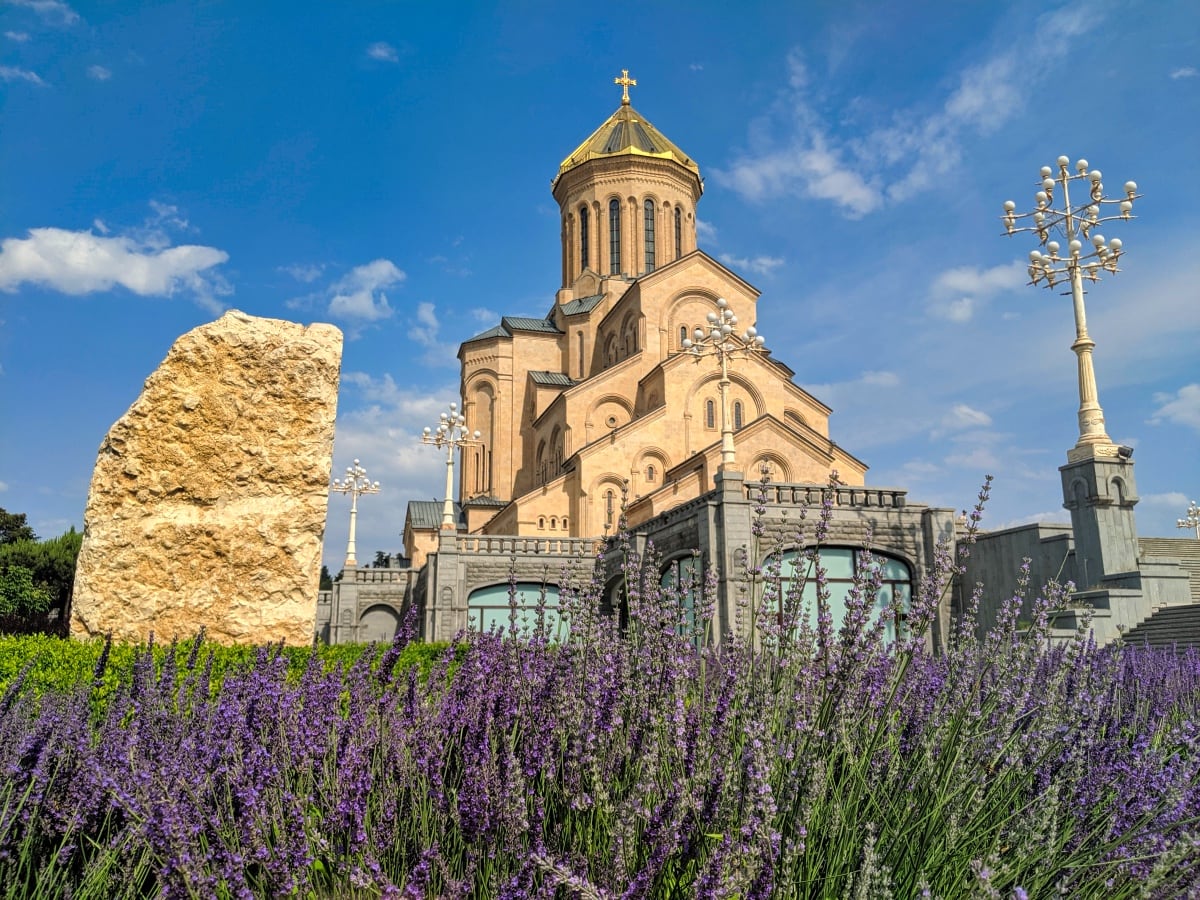
Holy Trinity Cathedral of Tbilisi
Kashveti Church
Norashen Church
Great Synagogue, Tbilisi
Qarapi Saint Gevorg church
Tbilisi central mosque
The Holy Trinity Cathedral, the main Georgian Orthodox church in Georgia’s capital, is a beautiful building set in gorgeous grounds with a priceless view of the old town. Most postcards and Instagrams are shot from the other side of the river.
Batumi - The Georgian Riviera
The coastal town of Batumi was once a part of the Ottoman Empire, as was most of Western Georgia. The capital of Ajara, where the most popular Khachapuri comes from, Batumi sits on the Black Sea coast, around 20km from the Turkey border, and is the main beach resort for Georgians.
After the Turks came the Russians, and then the British at the end of World War II. In fact, this part of Georgia hasn’t been
Batumi is the main port of Georgia and the main shipping port for Azerbaijani oil.
Apart from its strategic location, Batumi is also known as a cultural centre and has a booming real estate industry.
It’s a pleasant enough place for a stroll, for a swim, or for sampling Black Sea fish and seafood. This is where Georgians go to spend their summer vacations.
Batumi is a pleasant 5-hour train journey from Tbilisi. The new modern express train carriages have wifi and comfy seats. Bring food as the onboard service is practically non-existent.
Kakheti - Wine Country
Kakheti is ground zero for fans of natural wine. With the feel of some Southern French vine-growing region but without the wallet-busting prices, Kakheti is a marvel. The region lies just east of Tbilisi and shares a border with Azerbaijan and Russia.
The capital of the region, Telavi, sits in a valley around the Alazani river. This is Georgia’s most visited region. Wineries and wine cellars, historical sites, and beautiful natural landscapes attract visitors from other parts of Georgia and the rest of the world. It’s not hard to see why.
Kakheti holds 40% of Georgia’s agricultural land and 70% of the vineyards.
According to some reports, most visitors to the Kakheti region, and Telavi in particular, are budget travellers. This keeps prices down but don’t expect it to stay that way for long! The tourism board is working on attracting tourists with more spending power.
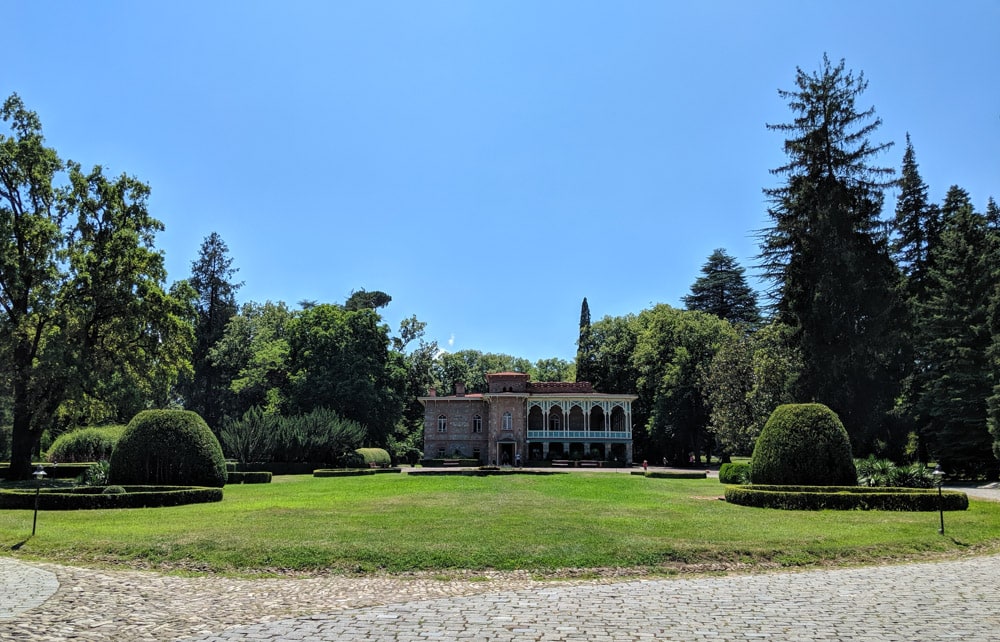
Dotted around this region are cultural and historical sites dating back up to 4000 years ago. Georgia has always been an important trading route and this part of the country was part of the great silk roads that stretched from Europe to Asia.
I hired the owner of my apartment in Tbilisi as a driver for the day. We spent the day driving through gorgeous scenery and over mountain passes, and of course, sampling wines (me, not him) at some of the finest wineries in the region. My guide does this route regularly and informed me that I was the first person to be still coherent and awake by 4pm after spending a day in the heat sipping wines. Not wanting to miss anything, I took everything in without succumbing to heat and alcohol exposure.
Read this: Georgia Wine Guide
Kazbegi - Big Mountain Country
The town of Stepantsminda (known as Kazbegi) is not memorable, but the location is certainly something that will evoke memories for years to come. Situated on a slope near the foot of the mighty Kasbegi mountain, the town is a bare-bones grid-like system of low houses with larger hotels dotted around. The largest hotel is Rooms and is the cousin of Rooms Hotel Tbilisi.
The frontier town in the north of the country is the gateway to the North Caucasus mountains and sits at the food of the mighty Mount Kazbek. After that you’re in Russia.
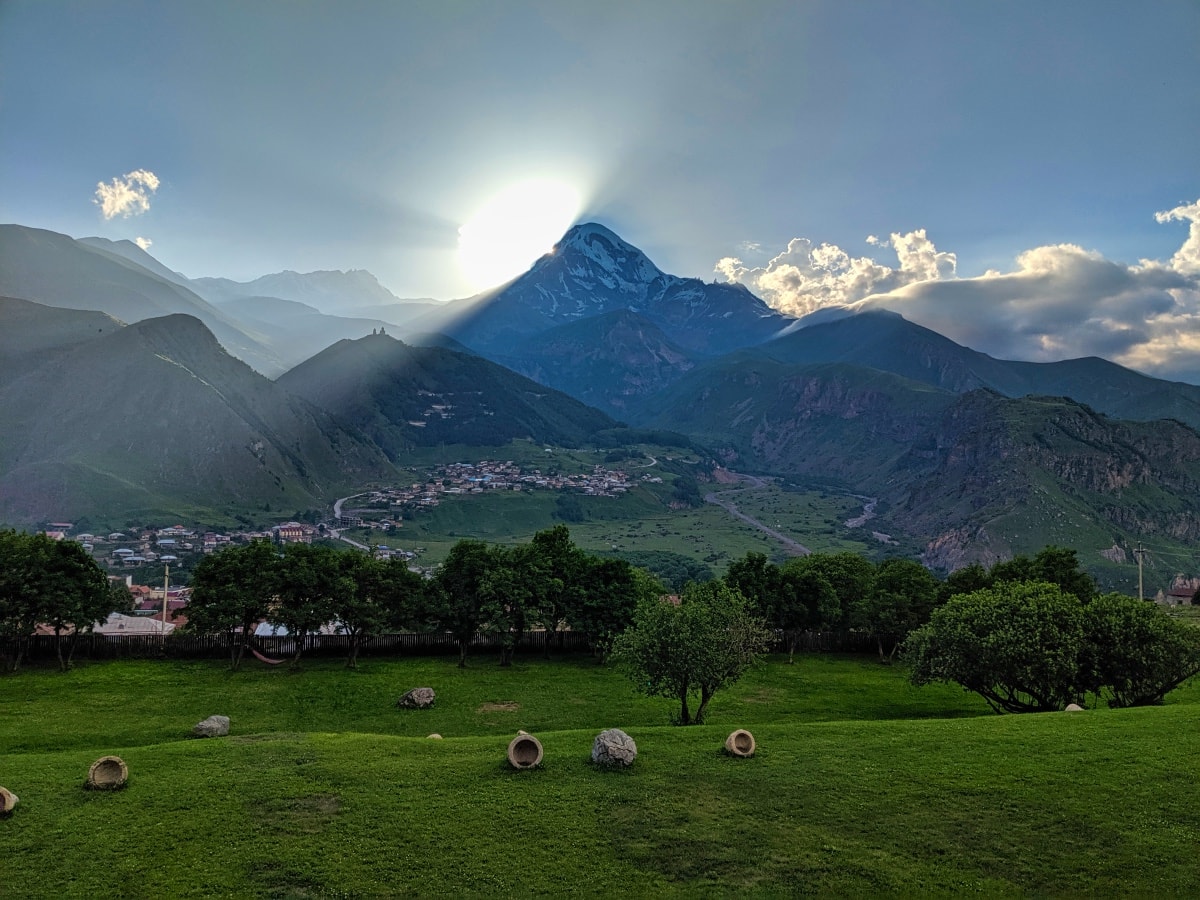
After a day hiking or enjoying the scenery, make a beeline for Rooms’ terrace, as I did, and continue enjoying the spectacular sunset behind the imposing mountain while sipping Georgian Wine and eating dinner. The terrace and the indoor cafe-cum-library are open to everyone and are highlights of the area, despite tremendous competition from the natural world all around.
Walking up to the Gergeti Glacier is a rewarding experience and will put your legs through a decent workout. The recommended time is 7 hours there and back. I walked it in 4, in case you’re asking.
Georgians are a friendly bunch and they extend a warm welcome almost everywhere you go. But nowhere is perfect. Georgian hospitality ends when we get to the 4WD Delica drivers up at the church. Some kind of mafia controls the to and fro of visitors to the church. Prices are relatively high for the short ferry service up the hill (50 Lari or $20 USD, a lot for a 12-minute ride in a van full of other paying customers) but there’s no other option apart from walking. It’s a bit of a hike up to the church, but not for everyone. And the last stretch of the road isn’t that interesting for walking. I walked most of the way down and then hitched a ride with some locals.
Georgians in this part of the country generally speak Georgian and Russian. English is not so common. And the car that gave me a ride was full of people that didn’t have any English, apart from a word or two. One of the guys made it clear by saying, “I don’t speak English”. He followed that up with “I am a table”, which got a laugh from everyone. Even without verbal communication, it was clear that these people were friendly and generous. They went out of their way to drop me where I needed to be. Faith in humanity restored yet again.
Read this: 10 Facts about Georgia You Didn’t Know.
Should you visit?
Taking a cab from Tbilisi centre out to Mtskheta, I commented on the intense heat of mid-June. What was it like in high summer? “August is a catastrophe”, my driver said. Mtskheta is the original capital of the country. The old town is small but pretty, and there’s a bit of history to absorb. The town itself looks best from high up.
In touristy Mtskheta (about 20km from Tbilisi), I tried to buy some water but didn’t have spare change. 1 lari. I have her 20 and she asked with a smile if I had smaller. I didn’t. So she handed me the water and simply said “no problem”. A freebie for the rich tourist. She could see I was parching in the 30 c heat at 9 am in the morning.
Faith in humanity was boosted again. People can be really nice wherever you go. Even when you think you might be treated as a “rich” tourist. By the way, arriving early in Mtskheta in summer is a smart move - great for photos and avoiding the sun - but keep in mind that almost all cafes and restaurants are closed until 11 am or later.
Try to visit outside the baking hot months of July and August
Georgia is still relatively undiscovered, at least by Western Europeans, Americans, and Australasians. It’s one of those countries that few people can recognise, never mind, pointing to its location on a map of the world. Is it worth visiting? You bet. Georgia is a beautiful country with a great culture. The country should not exist, being straddled on almost all sides by much bigger powers. Mountainous terrain and a fierce pride in their culture have allowed Georgians to maintain the culture of their (relatively) small country. There’s a lot to see here and much to learn from spending time in Sakartvelo.
In short, go there!
Practical Advice & Frequently Asked Questions
How to get around Georgia?
The most practical and safest ways to travel in Georgia are as follows
What is the currency in Georgia?
The unit of currency in Georgia is the Lari (GEL). 1 USD is currently around 3 GEL. Check live rates here.
Is Georgia safe for tourists?
Road safety apart, Georgia ranks 49th safest country in the world by Global Finance magazine and ranks 99th in the Global Peace Index. Serious crimes against tourists are rare and petty crimes are no more common than in other major cities.
How much does accommodation cost in Georgia?
Tbilisi has one of the cheapest Airbnb scenes in the world and some of the cheapest short-term and long-term hotel and apartment rentals anywhere. If Airbnb doesn’t appeal to you, try these alternatives.
What is Georgia best known for?
The country is not very well known internationally. Georgia’s wine-making tradition, its location as the birthplace of Europeans (Caucasians), and home of the highest mountain range in Europe, and its unique language and script make it important in certain circles. Read more interesting facts about Georgia.
Is Georgia in Europe or Asia?
Geographically, Georgia is in Western Asia. Culturally, the country leans towards Europe.
Do people in Georgia speak English?
Younger people generally speak good English. Older people speak Russian and some speak a smattering of English. Everyone speaks Georgian as their first language.
What is the best time of year to visit Georgia?
The best times to visit are in April, May, September, and October when it’s not too hot, rainy, or cold.
How much does transportation cost in Georgia?
Georgia is a cheap destination for travel. Options include great value rental cars, long-distance buses and trains, public buses (slow but very cheap), taxis (inexpensive - use Bolt), and Marshrutkas - a type of beat-up routed taxicab (cheap, but inconvenient). Journeys in the city will cost between 0.50c and $5 depending on the type of transport.